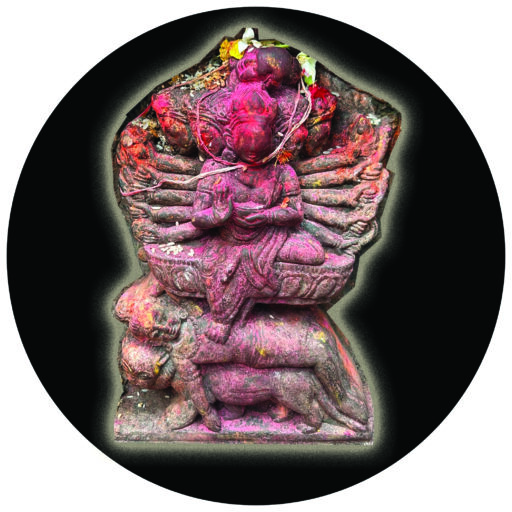
Tantra — The Living Tradition of Kulachara Tantra Marga at Kamakhya
Introduction to Tantra — Beyond the Misconceptions
Tantricism has a long-illustrated history in India, Tibet and Nepal. Once widely celebrated, during the British Raj it acquired a notoriety that led to its suppression and almost complete disappearance in India. Tantra still remains one of the least understood of the yogic traditions. The spiritual and meditational side of Tantra has not been explained in detail or in depth, particularly from the standpoint of Hindu tradition.
Tantra can perhaps best be defined as an energetic approach to the spiritual path, using various techniques including mantra, ritual, pranayama and meditation. It contains a way of knowledge, directing us to self-realization and the realization of the absolute.
Tantra contains teachings dealing with the whole spectrum of human concerns — for the stages of life from youth to old age, for the different classes of society, rituals for public welfare, rules for temple worship, sacraments of various kinds and, most importantly, Yogic practices. Tantra has a universal approach that uses all available methods and rejects nothing.
The emergence of 'Tantra' as a term for the applied or practical tool for psycho-physical-yogic sciences (Abyasavigyana) has been ascertained within the period of 2nd Century B.C. to 2nd Century A.D. as the term appeared in the first textbook of Tantra, Guhyasamaja by Nagarjuna. According to various scholarly theories, the term and the tradition was present with the clans of non-Vedic and even pre-Vedic sages like the asuras, nagas, yakshas, kinnaras, as well as other nature-worshipping communities.
The Kulachara Tantra Marga of Kamakhya
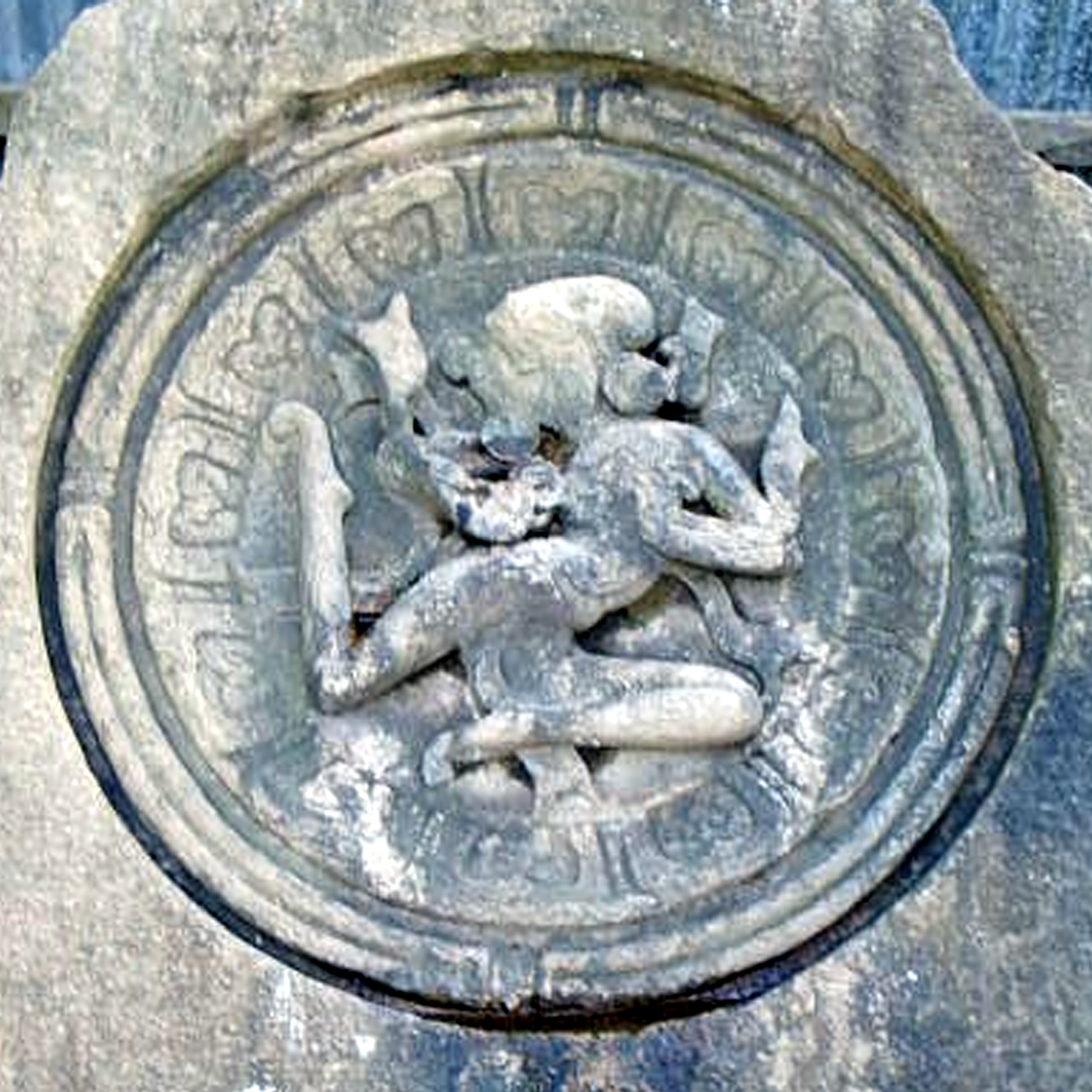
The Kulacara Tantra Marga of Kamakhya has evolved under the Vamachara Tantra as a unique tantra tradition and taken shape as a unique Shakta tradition — it is the only surviving Tantra Marga in the world in its purest form.
Also called Yogini Kaula, it is a complex mixture of Hindu, Buddhist and the contributions of practitioners of various streams of Tantrism influenced by indigenous Tibeto-Mongoloid, Austro-Asiatic, Tibeto-Burman, Chino-Tibetan, and Dravidian elements for thousands of years.
The Kulachara Tantra Marga and the lineage (Kula) is confined only to Kamakhya.
The teachings, rituals and techniques of the Kulacara Tantra Marga of Kamakhya have been very carefully kept as guarded secrets by the Sadhakas (male initiates) / Sadhikas (female initiates) till date. The tradition runs through the system of Guru-Shishya Parampara (teacher-student tradition) and most of the knowledge and technique is passed down orally to an initiate by the Guru (teacher).
Moreover, in all the temples of the Kamakhya Temples' Complex, the puja / rituals / festivals are performed or observed according to the systems and guidelines prescribed by the Kulacara Tantra Marga.
The Role of Women in Kulachara Tantra Marga
The women are an inseparable part of the Kulacara Tantra Marga and hold a higher position than their male counterparts — they are respected as the form of Shakti (Devi).
The women play the most significant part and take a leading role in the rituals performed according to the teachings and techniques of Kulacara Tantra Marga. The puja and rituals of the Kulacara Tantra Marga are performed very secretly and non-initiates (also from Kamakhya) are not allowed to participate.
Caste-Free, Gender-Equal Structure of the Tradition
In the Kulacara Tantra Marga there is no discrimination of caste or gender. Any person belonging to any caste can receive initiation from his/her Guru, and after going through the process of initiation all castes get merged into a single stream called Sadhaka (male initiate) / Sadhika (female initiate).
No discrimination between Brahmin, Kayastha, Baishya, Shudra, etc. is made. Every initiate irrespective of their caste gets the right to participate in the rituals taught by the Guru.
Guru-Shishya Parampara — The Teacher-Student Tradition
The tradition runs through the system of Guru-Shishya Parampara, where knowledge and technique is passed down orally to an initiate by the Guru. The teachings, rituals, techniques, and Guru-Shishya Parampara of the Kulacara Tantra Marga are the most closely guarded secrets of the Kamakhya system and at any cost or circumstances the same will not be exposed to outsiders, and at the same time no information whatsoever will be disclosed to outsiders.
Key Textual Contributions of the Kulachara Tradition
The Kulacara Tantra Marga has made significant contributions towards compilation of some very important texts on Tantra. The most important contributions are the following compilations:
Raja-Rajeshwari Puja — The Principal Ritual
Raja-Rajeshwari Puja holds special importance for the initiated practitioners of the Kulacara Tantra Marga of Kamakhya. This Puja is celebrated during the Chaitra Navaratra (Spring Navaratra) for fifteen days. The Puja & Rituals start from the Amavashya and end on Shukla Purnima Tithi of the month Chaitra (March–April).
The organizers and participants of the Raja-Rajeshwari Puja are exclusively the Kaula (initiates) of the Kulacara Tantra Marga — performed privately in temple(s) and at household level by the Kula (the group of initiates). Non-initiates (even from Kamakhya) are not allowed to participate.
All initiated Kaula of the Kulacara Tantra Marga of Kamakhya participate in the Puja irrespective of their gender and caste.
Schedule and Rituals During Chaitra Navratri
The Raja-Rajeshwari Puja starts on the day of Chaitra Amavashya with the Puja of Ganesha and ritualistic installation of the Ghata (sacred pitcher) for the Devi Maha Tripura Sundari.
From the Chaitra Pratipada Tithi, in the following days till Chaitra Purnima, Maha Tripura Sundari is worshipped in her different manifestations:
- ◆Kameshwari
- ◆Bhagamalini
- ◆Kinnari
- ◆Bherunda
- ◆Vahnivasini
- ◆Bajreshwari
- ◆Shivaduti
- ◆Sarvamangala
- ◆Jwalamalini
- ◆Vichitra
Chakra Puja is performed on each night of these 15 days. In the midnight of Purnima (15th day), the Ghata of the Devi is taken in a procession around the temples' complex and the Kamakhya Temple by the initiates, and finally, ritualistic Visharjana (immersion) of the Ghata is performed in the sacred Saubhagya Kunda (located inside Kamakhya Temple campus).
Research Assistance & Scholarly Guidance
For over 15 years, Rajib Sarma has provided research assistance to international scholars on theses and research projects pertaining to the Kamakhya Temples' Complex and Kamrup, affiliated with institutions in the USA and Italy.