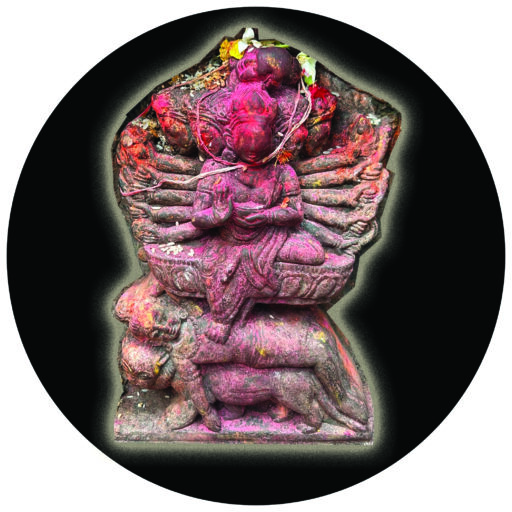
Temples and Sacred Sites of Kamarupa, Assam
Introduction to the Kingdom of Kamarupa
Kamarupa has often been used to mean area in the eastern part of the subcontinent. The boundaries of Kamarupa are clearly mentioned in the Puranas and the Tantra literature. The Kalika Purana mentions that Kamarupa was triangular in shape and extends towards the east to the Karatoya River and bounded by the Dikkaravashini in the east. On the other hand, the Yogini Tantra divides the Kamarupa into three different parts named Ratnapitha, Bhadrapitha, Saumarapitha and Kamapitha.
From the days of the earliest king Mahiranga Danava to the advent of the Ahoms (13th century AD), Kamarupa was ruled by various dynasties and they built temples, places of worship and conserved sacred sites according to their religious affiliations. Hence, apart from the Kamakhya Temples' Complex, Kamarupa is dotted with numerous temples dedicated to Shiva, Vishnu, Ganesha, Durga, Ugratara, Chandi, Navagraha, and other deities.
Ancient Temples of Guwahati City
Bashistha Ashrama
📍 Geo: 26.0948° N, 91.7846° E — GuwahatiAs per the Kalika Purana, sage Vashistha had established this Ashram and the place is also known as Sandhyachala. The temple in the Ashram is dedicated to Lord Shiva and stands on the bank of mountain streams originating from Meghalaya which become the Basistha and Bharalu rivers.
The Shiva Temple Ashram was re-constructed by Ahom King Rajeshwar Singha during 1751–1769 and gifted 835 bighas of land to the Ashram for its maintenance. Archaeological evidence indicates that a stone temple existed on the site during 1000–1100 AD.
Sri Sri Navagraha Temple
📍 Geo: 26.1910° N, 91.7656° E — GuwahatiNavagraha is one of the most ancient temples of Kamrup located on the Chitrachal Hills of present Guwahati. In the Garbhagriha, the Navagrahas (Nine Celestial Planets) are placed in the form of Lingas as per the Pragjyotishpura school of Astrology — Surya, Chandra, Mangala, Rahu, Shani, Ketu, Bṛhaspati, Buddh, and Shukra.
The ancient temple was damaged significantly in the great earthquake of 1697, and the present temple was re-built by Ahom King Rajeshwar Singha during 1752 AD. The nine-cornered (na-kunia) stone stepped pond known as Silpukhuri is intrinsically connected to the religious tradition of this temple.
Sri Sri Ugratara Temple
📍 Geo: 26°10′48″ N, 91°44′24″ E — GuwahatiThe Ugratara temple is an ancient temple of Kamrup, a vibrant Shakta temple dedicated to Devi Ugra Tara of the Asta Taras (eight forms of Devi Tara). In the Garbhagriha of the temple, there is no idol of the Devi and instead a Swayambhu Peeth of stone and water is present. This sacred site is also identified as Tikshna Kantha and Eka Jata of the Vajrayana Buddhism.
The temple was re-constructed by Ahom King Shiva Singha in 1725 AD.
Sri Sri Bhimashankar Dham Jyotirlinga
📍 Geo: 26°05′50″ N, 91°41′46″ E — GuwahatiBhimashankar Dham is an important site dedicated to Lord Shiva located on the Dakini Hill near Pamohi area of Guwahati.
Unlike other temples of Kamrup, Bhimashankar Dham Jyotirlinga does not have a temple structure, and there is no visible Shiva Linga in this sacred site. This open site is in the lap of nature and the natural Jyotirlinga is eternally ringed by a perennial water stream.
Sri Sri Shukeshwara Temple
📍 Geo: 26°11′16″ N, 91°44′28″ E — GuwahatiLocated on the Itakhuli Hill on the banks of river Brahmaputra, the Shukreswar temple is an important site of Shiva worship in Kamrup. The Shiva Linga of this temple is one of the largest in the Indian subcontinent.
As per legend, Rishi Shukra made a hermitage on the Itakhuli Hill (also called Hastagiri) to do his Sadhana and Shiva worship. The Sukreswar temple was built by Ahom King Pramatta Singha in 1744 AD.
Sri Sri Baneshwara Temple
📍 Geo: 26°11′16″ N, 91°44′28″ E — GuwahatiThe Baneshwara temple is believed to be established by King Banasur during the period of King Narakasura of ancient Kamrup. This temple is located on the opposite side of the road of Shukreswar temple. It was re-built by Ahom King Chandrakanta Singha in 1820 AD.
Sri Sri Umananda Temple
📍 Geo: 26°11′47″ N, 91°44′43″ E — GuwahatiUmananda temple is dedicated to Lord Shiva, situated on the Peacock Island (Umananda Island) in the middle of the river Brahmaputra in Guwahati. This small hillock island is also mentioned in Kalikapurana as Bhasmakuta or Bhasmachala. It is also mentioned that Umananda is the Bhairava of Devi Kamakhya.
The Umananda temple was built by Ahom King Gadadhar Singha in 1694 AD.
Sri Sri Chatrakara Mangalchandi Temple
📍 Geo: 26°11′44″ N, 91°45′31″ E — GuwahatiThe Chhatrakara Mangalchandi Temple's Complex is located on the Chhatrakar Hill (an umbrella-shaped hill). This temples' complex was originally dedicated to Lord Shiva and Lord Vishnu, and later Devi Mangalchandi was included.
The Lord Vishnu and Lord Shiva temples were built by Ahom King Kamaleshwar Singh (1795–1810). Later, Koliabhomora Borphukan built the Devi Mangalchandi Temple.
Umachala — Rock Inscription of Nilachal Hills
📍 Geo: 26.1674° N, 91.7159° E — GuwahatiThe Umachal area of the Nilachal Hills (Kamakhya Hill) houses the earliest known and the most important rock inscription of early 5th Century CE. The text is related to the construction of a cave temple by Mahārājādhirāja Śrī Surendravarman of the Varman dynasty, a lineage of the Bhauma-Naraka dynasty of Kamrup.
This inscription is the crucial evidence of the spread of Aryan culture and Hinduism in the Brahmaputra Valley by the early 5th century.
Sri Sri Janardana Temple
📍 Geo: 26°11′16″ N, 91°44′28″ E — GuwahatiJanardana temple is located on the Itakhuli Hill of Guwahati on the banks of river Brahmaputra and is an important site for the worship of Lord Vishnu in the form of Lord Buddha. The temple is a unique blend of Hindu & Buddhist concepts and architectural elements.
The present structure was renovated by Ahom King Pramatta Singha in 1750 AD.
Sri Sri Lankeshwara Temple
📍 Geo: 26°8′39″ N, 91°38′50″ E — GuwahatiLankeshwar Temple is located on a hillock near the Guwahati University. This ancient temple is dedicated to Lord Shiva.
Temples of North Guwahati
Sri Sri Monikarneswara Temple
📍 Geo: 26°12′26.4″ N, 91°44′52.4″ E — North GuwahatiManikarneswar is an ancient temple located on the Manikhalaya Hill in North Guwahati on the banks of the Subansiri River, dedicated to Lord Shiva. The present brick structure was built by Ahom King Rajeswar Singha in 1755 AD. The star-shaped foundation of the ancient stone temple dates back to the 10th–11th century.
Sri Sri Dirgheshwari Temple
📍 Geo: 26°14′33″ N, 91°44′58″ E — North GuwahatiDirgheswari is a Shakta temple dedicated to Devi Durga. The existing brick temple was built on a giant rock by Ahom King Siva Singha during his reign (1714–1744 CE). Rock-cut images of Ganesha, Shiva, Shiva Linga, Yama, Hanuman, and other figures in this complex date back to the 11th–12th Century AD.
Sri Sri Ashwaklanta Temple
📍 Geo: 26°11′17″ N, 91°43′23″ E — North GuwahatiInside the Ashwaklanta temples' complex, there are two idols of Lord Vishnu in two separate temples — Kurma Janardan and Anantasayi Vishnu. The complex was constructed by Ahom King Shiva Singha in 1720 AD on top of older ruins from the 9th–12th Centuries.
Sri Sri Rudreshwara Temple
📍 Geo: 26°12′34″ N, 91°43′28″ E — North GuwahatiRudreswar temple is dedicated to Lord Shiva. It was built by Ahom King Pramatta Singha in 1749 CE in memory of his father, King Rudra Singha. The architecture is a blend of traditional Ahom and Mughal style.
Temples of Kamrup District
Agiathuri Area
Sri Sri Ganesh Temple, Agyathuri
📍 Geo: 26.2415° N, 91.6845° EThis Ganesh temple is located on the Agyathuri Hills on the side of the road to Hajo from Guwahati city. The Agyathuri area is historically associated with the Battle of Saraighat between the Ahom and the Mughals of 1671 AD. The temple was built by Ahom King Pramatta Singha in 1744 AD.
Sri Sri Agnibaneshwara Temple
📍 Geo: 26°17′ N, 91°57′ EThis temple of Lord Shiva dates back to the time of King Banasura, possibly during the reign of Narakasura in Kamrup. The temple is located on the Agni Hill of the Agiathuri Area.
Hajo Area
Sri Sri Hayagiva-Madhava Temple
📍 Geo: 26°15′ N, 91°31′ E — HajoHayagiva-Madhava temple is dedicated to a form of the Horse-headed Lord Vishnu, located on the Manikuta Hill of Hajo. Hayagriva is associated with both Vedic concepts and Buddhist Mahayana & Vajrayana tradition — a complex religious culture which serves as a bridge between the two religious belief systems.
The temple was originally constructed in the 10th Century AD during the Pala dynasty in Kamrup. The present structure was constructed by Koch King Raghudeva Narayan in 1583 AD and renovated by Ahom Kings afterward.
Sri Sri Kedar Temple
📍 Geo: 26°15′ N, 91°31′ E — HajoThe Kedar temple located on the Madanchalla Hill is dedicated to Lord Shiva. In the Garbhagriha of the temple, there is a Swayambhu Shiva Linga in the form of Ardhanariswara. The temple was re-constructed by Ahom King Rajeswar Singha in 1753 AD.
Sri Sri Kameshwara / Kamaleshwara Temple
📍 Geo: 26°25′ N, 91°55′ E — HajoKamaleshwara is a Lord Shiva temple. The temple has a square Garbhagriha and a rectangular Mukha Mandapa. In this temples' complex, there is a unique idol of Lord Ganesha carved out from a giant elephant-shaped natural rock. The temple was constructed by Ahom King Pramatta Singha in 1744 AD.
Sri Sri Jayadurga Temple
📍 Geo: 26°15′ N, 91°31′ E — HajoLocated on the Monikut Hill and adjacent to Kedar temple, the Jayadurga temple is dedicated to the Dashabhuja Mahishasuramardini Devi Durga. This is a 10th Century AD shrine and was re-built by Ahom King Lakshinath Singha in 1774 AD.
Sri Sri Ganesha Temple (Hajo)
📍 Geo: 26°25′ N, 91°55′ E — HajoLocated near the Kameswara temple, the giant idol of Ganesha has been carved out from an Elephant-shaped rock. This temple is also known as "Deva Bhavana". Ahom King Pramatta Singha constructed this temple in 1744 A.D.
Sualkuchi Area
Sri Sri Dhareshwara Temple
📍 Geo: 26°14′ N, 91°31′ E — SualkuchiThe ancient temple Dhareshwara stands on the Hatimura Hill of Sualkuchi and is dedicated to Lord Shiva. A small waterfall and a stream named Dhareshwari also flows from this hill. The temple was renovated by Ahom King Shiva Singha around 1729 A.D.
Sri Sri Siddheshwra Temple
📍 Geo: 26°17′ N, 91°57′ E — SualkuchiThis ancient Shiva temple is located on the Sidheswari Hill. The temple complex displays a unique blend of Shaiva, Vaishnava and Boudha iconography. In the Garbhagriha, along with the Shiva Linga, an idol of Lord Vishnu is on a wall which has resemblance to Bhodhisattva Avalokiteshwara.
The present temple was re-built by Ahom King Siva Singha in 1729 A.D.
Sri Sri Bhringeshwara Temple
📍 Geo: 26°10′ N, 91°34′ E — SualkuchiLocated on the foothills of the Gandhamoan Hill, Bhringeshwara is regarded as one of the oldest temples of Lord Shiva. In the Garbhagriha, the focal point for worship is a sacred turtle-shaped stone which remains submerged in water for around six months. The temple was reconstructed by Ahom King Siva Singha in the 18th Century AD.
Sri Sri Bageshwari Temple
📍 Geo: 26°10′ N, 91°34′ E — SualkuchiLocated on the Bagheswari Hill, this ancient temple is dedicated to Devi Parvati. This is one of the oldest shrines of Shakti worship of Kamrup.
Other Areas of Kamrup
Sri Sri Gopeshwara Temple, Deuduwar
📍 Deuduwar — Kamrup DistrictGopeshwara is an ancient temple of Lord Shiva constructed during the 10th–12th Century AD by the Pala Kings of Kamrup. Near the temple is "Parvati Guha" (cave). Excavations unveiled beautiful stone carvings of multi-headed Lord Shiva, Lord Vishnu and other sculptural remnants. The temple is intrinsically connected to the nearby Madan Kamdev temples' complex.
Sri Sri Pingaleshwara Ardhanarishwara Temple
📍 Bihdia Jajikona — Kamrup DistrictA 11th–12th Century AD Shaiva temple probably built by King Indrapal of the Pala dynasty of Kamrup. The temple is dedicated to an integrated form of Lord Shiva and Devi Parvati. The Garbhagriha is located deep underground. It was later rebuilt by Ahom King Shiva Singha in 1661 AD.
Sri Sri Madana-Kamadeva Temples (Khajuraho of Assam)
📍 Geo: 26°15′17″ N, 91°42′55″ E — BaihataMadan Kamdev is a 10th–12th Century temples' complex referred to as the "Khajuraho of Assam". Located on the Dewangiri hillock, the complex consists of ruins of more than 20 temples, with the central temple dedicated to Lord Shiva. The complex was probably constructed between the 10th–12th Centuries AD, commissioned by King Indra Pala and successors of the Pala dynasty.
Sri Sri Dipteshwari Temple
📍 Rangia — Kamrup DistrictDipteswari Temple is a prominent site of Shakti worship in Kamrup, also known as Dipteshwari Annapurna temple. Located on the banks of Borolia river at Kendukona, Ranga, this ancient temple is dedicated to Devi Durga. Ahom King Shiva Singha constructed a temple on this site, later renovated by Ahom King Rajeshwar Singha.
— Apart from the above, there are several temples of Lord Ganesha in Kamarupa.
List of Temples and Sacred Sites Across Assam
- Sri Sri Sarhi Temple — North Lakhimpur District
- Sri Sri Tamreshwari Temple — Tinsukia District
- Sri Sri Burha-Burhi Temple — Sadiya, Tinsukia
- Sri Sri Shiva Doul — Sibsagar District
- Sri Sri Joy Doul — Sibsagar District
- Sri Sri Borpatra Doul — Sibsagar District
- Gaurisagara — Sibsagar District
- Sri Sri Namati Doul — Sibsagar District
- Sri Sri Rudrasagara Doul — Sibsagar District
- Sri Sri Ramkha Peetha — Sibsagar District
- Sri Sri Hatigarh Shiva Doul — Jorhat District
- Sri Sri Burhigosani Temple — Jorhat District
- Sri Sri Pashupoti Temple — Jorhat District
- Sri Sri Negheriting Shiva Doul — Golaghat District
- Sri Sri Numaligarh Shiva Doul — Golaghat District
- Sri Sri Kotohaguri Doul — Golaghat District
- Sri Sri Burhigosani Temple — Golaghat District
- Borganga — Karbi Anglong District
- Deopani — Karbi Anglong District
- Sri Sri Basudevabari Temple — Nagaon District
- Sri Sri Saubhagya Madhava Temple — Nagaon
- Sri Sri Gopala Madhava Temple — Nagaon
- Sri Sri Dulala Madhava Temple — Nagaon
- Sri Sri Baneshwara Temple — Nagaon District
- Sri Sri Chitrashankara Temple — Nagaon
- Sri Sri Shiva Temple of Burha Burhi — Nagaon
- Sri Sri Nandakeshwara Temple — Nagaon
- Sri Sri Burhagosain Temple — Nagaon District
- Sri Sri Nagashankara Temple — Nagaon District
- Sri Sri Rudrapoda Temple — Nagaon District
- Sri Sri Trishuladhari Temple — Nagaon
- Sri Sri Kamakhya Temple of Shilghata — Nagaon
- Sri Sri Hatimuria Temple — Nagaon District
- Sri Sri Ambikanatha Temple — Nagaon
- Sri Sri Sadashiva Temple — Nagaon
- Sri Sri Mahabhairava Temple — Tezpur, Sonitpur
- Sri Sri Bhairavi Temple — Tezpur, Sonitpur
- Kanykashrma — Tezpur, Sonitpur
- Sri Sri Rudrapoda Temple — Tezpur, Sonitpur
- Sri Sri Ganeshaghata — Tezpur, Sonitpur
- Sri Sri Bhairavapoda Temple — Tezpur, Sonitpur
- Sri Sri Tingeshwara Temple — Tezpur, Sonitpur
- Sri Sri Holeshwara Temple — Sonitpur District
- Sri Sri Shukleshwara Temple — Sonitpur
- Sri Sri Nandikeshwara Temple — Sonitpur
- Sri Sri Saubhagya Temple — Sonitpur
- Sri Sri Dulala Madhava Temple — Sonitpur
- Sri Sri Vishwanatha Ksetra — Sonitpur
- Sri Sri Rudreshwara Temple — Darrang District
- Sri Sri Tamreshwara Temple — Darrang
- Bhairavakunda — Darrang District
- Sri Sri Mukteshwari Temple — Darrang
- Sri Sri Deuraja Temple — Darrang District
- Sri Sri Abhoyadevi Temple — Dhuburi District
- Sri Sri Chenkala Mahakala Temple — Dhuburi
- Sri Sri Mahamaya Temple — Dhuburi District
- Sri Sri Tukreshwari Temple — Goalpara District
- Sri Sri Dudhnath Temple — Goalpara District
- Sri Sri Nandeshwara Temple — Goalpara
- Suryapahara — Goalpara District
Plan Your Visit to the Temples of Kamarupa
Please contact us for information, direct assistance, guidance, and other services for visiting the Kamakhya Temples' Complex and Temples of Kamarupa.