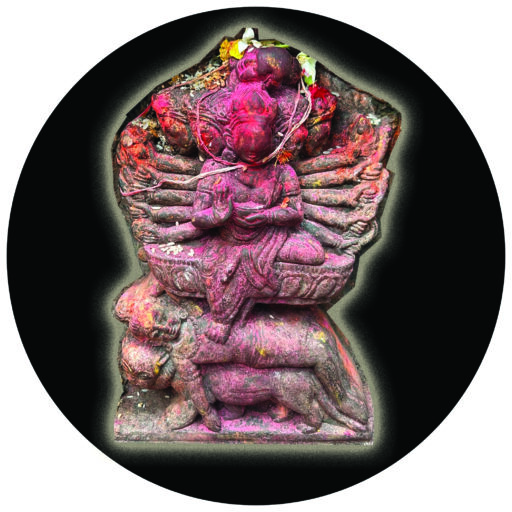
Kamakhya Temple — Sacred Heart of the 51 Shakti Peethas
Facts You Should Know Before Visiting Kamakhya Temple
There are a lot of misleading information, rumors, fictitious stories, and manufactured facts floating around the internet and social media about Kamakhya Temple. Here are the correct details:
- The sacred landscape is often mentioned as Kamakhya or Kamakhya Temples' Complex or Nilachal Hills or Kamakhya Hill or Kamakhya Dham or Kamrup Kamakhya — all these denotations are synonymous.
- No Tantrik or Aghori or Sabara lives at Kamakhya or belongs to the domicile Shebait families of Kamakhya.
- The members of the domicile Shebait families of Kamakhya who are initiated in the Tantra Marga Parampara of Kamakhya are denoted as Sadhaka and not as Tantrik.
- Black Magic, Sabari Vidya and any other negative or harmful Kriya / Rituals / Prayoga are not practiced in any form or manner by the domicile Shebait Priests of Kamakhya.
- Kam Sindoor or Kamiya Sindoor is not produced or available at Kamakhya and hence, not given to the Devotees as blessings of Kamakhya Temple.
- The flowing water of the Peetha of Kamakhya Temple, including the other Temples of Kamakhya, does not turn red during Ambubachi.
- During the Ambubachi, the Peetha of Kamakhya Temple is not covered with white colored silk cloth which becomes red after three days. Small piece(s) of this red cloth is given to the Devotees as Raktavastra or Angavastra free of cost only by the authorized Shebaits of Kamakhya.
- There is no tradition of carrying the sacred water of the Peetha of Kamakhya Temple in containers as blessings.
- The Puja, Rituals, Rites at all the temples of Kamakhya Hill are performed strictly adhering to the prescribed procedures of the Tantra Marga Parampara of Kamakhya Kula for fulfilling the wishes of the Devotees.
- Only the initiated domicile Shebait Priests of Kamakhya having exclusive customary hereditary rights are authorized to perform Puja, Rituals, Rites in the respective temples of the Kamakhya Hill.
- Person(s) not having domicile customary hereditary right as Shebait Priests of Kamakhya are strictly debarred from performing Puja, Rituals, Rites at any site of the Kamakhya Hill.
- Photography is strictly prohibited inside any of the temples of Kamakhya Hill — hence any photo of Kamakhya Yoni Peeth and any Peeth of the Mahavidyas available on the internet is fake.
Travel Guidelines for Devotees Visiting Kamakhya
Kamakhya, an interconnected network of Mahavidyas and other deity temples often collectively referred as Kamakhya Temples' Complex, is located in Guwahati, Assam, India (26.166426°N / 91.705509°E). Kamakhya Temple can be easily reached by Railway, Flight and surface transport.
Kamakhya Station — 8.6 km
Guwahati Station — 8 km
LNGB International Airport — 20 km from Kamakhya Temple
Inter-State Bus Terminus (ISBT) — 16.5 km
Need assistance visiting Kamakhya Temple? Please contact us using the mobile numbers and email ID given below for information, direct assistance, guidance, and other services.
Mobile: +91 93655 16724 & +91 69004 38920
Email: info@kamrupkamakhya.org
History and Heritage of Kamakhya
The land of Kamrup, characterized by its beautiful landscape of hills and wetlands, the mighty river Brahmaputra, rich natural resources and lush vegetation has played an important role in the history and evolution of a unique religious tradition and culture that flourished here.
Located in the city of Guwahati in Assam, India (26.166426°N / 91.705509°E), the Kamakhya Temple along with a network of temples dedicated to the Mahavidyas and other deities — denoted as the Kamakhya Temples' Complex — is the world's most important, revered and vibrant site among the 51 Shakti Peethas.
The Kamakhya Temple is surrounded by the Temples and Peetha of the 7 Devis of the Dasa Mahavidyas (10 Great Goddesses), other Goddesses, Shivas, Ganeshas, Vishnu, other deities and sacred sites, scattered all over the Kamakhya Temples' Complex. Notably, inside the sanctum sanctorum of the Kamakhya Temple, peethas of three Mahavidyas of the Dasa Mahavidyas are located — the third Mahavidya Tripura Sundari or Sodasi, the ninth Mahavidya Matangi, and the tenth Mahavidya Kamala.
The sacred site popularly known as Kamakhya is actually a hill system comprising three segments (Brahma, Shiva and Varaha hill) referred to in the scriptures as Nilachal and in some scriptures as Kamagiri, Mahagiri, Kamakhya Yonimandala and Kamakuta.
There is no idol (Murti) in the sanctum sanctorum of the Kamakhya Temple — it is just a stone and flowing water. The peethas of the other Mahavidyas (except Goddess Tara), Shiva and other Devi are identically similar in nature to that of the peetha of Devi Kamakhya.
Archaeological Dating
Departments of geo-sciences and archaeology as well as several eminent scholars have suggested that the Kamakhya Temple was originally constructed in the 8th century during the rule of the Pala dynasty in Kamrup. Sir Edward Gait in his book, A History of Assam, mentioned that the Kamakhya Temple was originally built during the 4th–5th century CE. Radio carbon isotope testing results indicated that the bottom layer of the temple is approximately 2200 years old, and the second layer is around 1500 years old.
The Kamakhya Temples' Complex is mentioned as a famed pilgrimage center in the 8th century Hevajra Tantra, the 9th century Kalikapurana, 16th century Yogini Tantra and 16th century Kamakhya Tantra.
King Bishwasingha (1515–1540 CE) rebuilt the Kamakhya Temple. It is assumed by some historians that the Kamakhya Temple was destroyed by the invading Muslim commander Kalapahar in 1553 CE. King Naranarayana (1540–1587 CE) started rebuilding the present Kamakhya Temple in 1555 A.D. and completed the work in 1565 CE.
Religio-Social Perspective
The Kamakhya Temples' Complex is one of the world's most important sites of goddess worship. As a pilgrimage center for Hindus, Buddhists, and practitioners of various streams of Tantrism from time immemorial, a uniquely syncretic religious culture has developed in the Kamakhya Temples' Complex. The rituals and festivals celebrated at the Kamakhya Temples' Complex are distinctive, unique and are the result of hundreds of years of socio-cultural and religious evolution, assimilation and syncretism.
The socio-religious systems and related traditions of the Kamakhya Temples' Complex are by nature very tolerant and secular. All devotees, irrespective of caste, creed, belief, nationality, ethnicity, gender, or religious affiliation, are allowed to enter the sanctum sanctorum of all the temples of the Kamakhya Temples' Complex for darshan and worship.
Temples & Sacred Landscape of the Kamakhya Temples' Complex
Kamakhya Temple — Peetha of the Three Dasa Mahavidyas
Adjacent to the Peetha of Devi Kamakhya the Peethas of two other Dasa Mahavidyas, Devi Matangi (Saraswati) and Devi Kamala (Lakshmi) are also located. Devi Kamakhya is worshipped in the form of Devi Tripurasundari or Devi Sodasi, the third Mahavidya of the Dasa Mahavidyas.
Temples of the Seven Other Dasa Mahavidyas
Kali Temple
Also known as the Peetha of Navam Kalika
Tara Temple
Peetha of Asta Tara
Bhuvaneswari Temple
Also worshipped as Devi Mahagauri, Raja-Rajeswari, Annapurna
Bhairavi Temple
Worshipped as Devi Tripura Bhairavi
Chinnamasta Temple
Worshipped as Guptakamakhya
Dhumavati Temple
Worshipped as Devi Koteswari
Bagalamukhi Temple
Worshipped as Srikamakhya
Temples/Peethas of Other Devis
- Banadurga Temple (Devi Vanavasini)
- Joyadurga Temple (Devi Vindhyavasini)
- Lalitakanta Temple
Temples of Pancha (Five) Shivas
- Amratokeshwara Shiva Temple
- Kameshwara Shiva Temple
- Herukeswar Shiva Peetha
- Muktinath Shiva Peetha (Muktimandapa)
- Kautilinga Shiva Temple
Other Shiva, Ganesha & Vishnu Temples
- Siddheshwara Shiva Temple
- Kedareshwara Shiva Temple
- Brihad Ganesha / Mahakala Ganesha Temple
- Four Dwarapala Ganesha Temples
- Kamvaleshwara Vishnu Temple
- Gadadhar Vishnu Temple
- Pandunatha Temple
Temples of Other Deities
- Ghantakarna Temple
- Sankheshwari Temple
- Tal Betala Bhairava Peetha
- Hanuman Temple
- Idols of Trivikrama
- Betal Bhairava Peetha
Sacred Kundas (Ponds)
- Saubhagya Kunda
- Amrita Kunda
- Wrinmochana Kunda
- Varaha Kunda
- Durga Kunda
- Gaya Kunda
- Brahma Kunda
Other Sacred Places
- 11 Snana Ghata of Devi (bathing places on the banks of River Brahmaputra)
- Brahmayoni Kshetra
- Kedara Kshetra
- Pretashila Kshetra
- Kamadhenu Kshetra
Religious Traditions of the Kamakhya Temples' Complex
The system of Puja, Ritual, Festivals, Ceremonies are exclusive to the Kamakhya Temples' Complex. This system and tradition of worship and rituals has evolved out of the scholarship and practice of the Shebaits and cannot be found anywhere else. The essence of the system and tradition of Kamakhya is its practical approach and rhythmic style of the Puja, Rituals, Festivals, Ceremonies — based on and dominated by the principles of Kulacara Tantra Marga (a tradition within the Vamacara Tantra Marga).
There are no written documents on the mantra, procedures and techniques of the Puja and Rituals, and an initiated Shebait Priest has to learn the same only from his seniors or Guru orally. If a Shebait is not initiated from the Guru of the Kulacara Tantra Marga of Kamakhya, he or they will not be allowed to ritualistically participate in the Puja and Rituals.
The process of assimilation and training of a newly initiated Shebait remains within the group of initiated Shebaits — hence the religious, ceremonial and ritualistic system, procedure and tradition of the Kamakhya Temples' Complex always remain as a closely guarded secret.
Categories of Puja and Rituals
Nitya Puja (Daily Worship)
Nitya Puja is the regular worship, puja, ritual of the temples, performed from the side of the temple management. Schedule includes early morning temple opening, Shebait Priests performing daily Puja, darshan for devotees, Bhoga offerings at 1:00 PM, reopening at 2:00 PM, evening Aarati.
Naimittika Puja (Special Worship)
Performed on special festival days like Sharadiya Durga Puja, Pohan Bia, Ratanti Kali Puja, Vasanti Puja, Ambubachi, Durgadeul, and Madandeul from the side of the temple management.
Kamya Puja (Purposeful Worship)
Kamya Puja is not performed by the temple management. It is offered by the visiting devotees for their wellbeing.
Puja, Rituals & Festivals of Kamakhya
In addition to the daily rituals, the Kamakhya Temple Complex celebrates a number of pujas, rituals, festivals, ceremonies which have a unique and distinctive character.
Kumaripuja
Kumaripuja (worship of virgin girls) is celebrated primarily at Kamakhya and in Nepal. Kumaripuja is intrinsically connected to the religious system of the Kamakhya Temple's Complex and performed with a unique style and process. It is performed at individual or group level, according to the prescription of the Naimittika Puja or desire of the devotee.
According to local history, Kumaripuja became an inseparable part of the tradition of Kamakhya from the time of Koch King Naranarayana, who renovated the Kamakhya temple in 1565 CE.
Ambubachi — The Most Sacred Festival
Ambubachi is the most important ritualistic festival of Kamakhya. This festival celebrates the annual menstruation of the Devi Kamakhya during the onset of monsoon, typically during June 21/22 to 25/26. The temples remain closed for three days, and on the fourth day reopens with great fanfare. Over 10,00,000 devotees from around the world attend the festival.
A prevalent belief is that the pieces of red cloth used in the Devi Peetha during the three days are greatly beneficial and auspicious for a devotee. The process of distribution of this red cloth as Raktavastra takes place after Ambubachi to the visiting pilgrims.
Manasa Puja and Debaddhani
Celebrated during August 17–20, Manasa Puja or worship of the Snake Goddess and Debaddhani is one of the most interesting ritualistic festivals of Kamakhya. The focus is the ritualistic dance of ecstasy performed by the Debadhannis — men possessed by the different deities of the Kamakhya Temples' Complex.
The Debaddhanis dance in a state of trance possession for three days with minimal rest, performing incredible feats such as dancing barefoot on sharpened blades of swords.
Pohan Biya (Punshavana)
In Pohan Biya, the symbolic marriage ceremony is performed between Kameshwara and Kameshwari at Kamakhya on the 2nd/3rd day of the bright half of Pausha (December–January). In the Panch Ratna hall, the marriage ceremony is performed according to the prevailing customs of Kamakhya. The Shebait Priest, Balikata, and Bharali perform the roles of the father, mother and brother of Kameshwari respectively.
Sharadiya Durga Puja at Kamakhya
Although the autumn celebration of Durga Puja and Navaratri are pan-Indian festivals, Sharadiya Durga Puja is celebrated in a unique way at the Kamakhya Temples' Complex. No Murtis (idols) are worshipped at Kamakhya — instead the Peetha and temple of Devi Kamakhya is lavishly decorated. Sharadiya Durga Puja is performed for 15 days starting from the Navami of the dark half till the Navami of the bright half of Moon of the month of Ashwina.
Krishna Deul / Gopal Deul (Holi)
Lord Krishna is worshipped as Lord Gopala on the previous day of Phalguna Purnima (March). After the Puja, the Shebaits play Holi with colour or phakua by singing devotional folk songs specific to Kamakhya. Lord Gopala is toured in a procession around the Kamakhya Temple in a Dola or Palki.
Durga Deul
Durga Deul is observed from Dwitiya (2nd day) to Panchami (5th day) of the bright half month of Phalguna. Devi Kameshwari is placed on a Dola or Palkin (Sway) and special Meshdah Puja & Rituals are performed. On the sixth day Devi Kameshwari is taken for Bhramana in a procession around the Kamakhya Temple.
Madan Deul
Also called Kama Deul, this is observed from the 13th day till the Full Moon in the month of Chaitra (March–April). Special Puja is offered to Kameshwara in the form of Kamadeva. On the Full Moon Day, Devi Kameshwari is taken for Bhramana on the Dola in a procession around the Kamakhya Temple.
Vasanti Puja
Vasanti Puja is performed during the Chaitra Navaratra (March–April) in the Peetha of Devi Kamakhya from Saptami till Navami of the bright half of Chaitra. On Navami, special Puja is held in all the Devi Temples of the Kamakhya Temples' Complex.
Raja-Rajeshwari Puja
Raja-Rajeshwari Puja holds special importance for the initiated practitioners of the Kulacara Tantra Marga of Kamakhya. This Puja is celebrated during the Chaitra Navaratra (Spring Navaratra) for fifteen days by the Kaula initiates exclusively — non-initiates are not allowed to participate. Learn more about the Kulachara Tantra Marga →
Other Important Pujas
Ratanti Kali Puja (Margashirsha Amavashya), Shravana Sangkranti Kali Puja, Phalahari Kali Puja (Jaistha Amavashya), Shyama Kali Puja (Kartika Amavashya), Lakshmi Puja (Ashwina Purnima), Saraswati Puja (Margashirsha Shukla Panchami), Sri Krishna Janmashtami, Katyayani Vrata or Charai Vrata, Deul Vrata, Manantara Vrata, and Satha Vrata.
Religious Calendar of Kamakhya
A comprehensive annual calendar of the major pujas, rituals and festivals observed at the Kamakhya Temples' Complex.
| Puja / Ritual / Festival | Tithi / Assamese Calendar | English Month |
|---|---|---|
| Bohag Bihu and Halkhata | 1st Vaishakha | April |
| Puja of Gramya Devata | Amavashya of Jaistha | May–June |
| Phalaharini Kali Puja | Amavashya of Jaistha | May–June |
| Satha Vrata | Krishna Dashami of Aashara | June |
| Ambubachi | 7th to 10th day of Ashara | June 21/22 to 25/26 |
| Dakshinayana Sangkranti & Devi Dakshina Kali Puja | 32nd Aahaar | July |
| Manasa Puja & Debaddhani | 31st Shravana to 2nd Bhadrapada | August 17/18 to 19/20 |
| Lalita Saptami / Devi Lalitakanta Puja | Shukla Saptami of Bhadrapada | August–September |
| Puja of Devi Joya Durga | Shukla Navami/Trayodashi of Bhadrapada | August–September |
| Sri Krishna Janmashtami | Krishna Astami of Bhadrapada | August–September |
| Pokhiya / Sharadiya Durga Puja | Krishna Navami of Ashwina to Krishna Navami of Kartika | September–October |
| Puja of Devi Lakshmi | Purnima of Kartika | October |
| Puja of Devi Shyama Kali | Amavashya of Kartika | October–November |
| Katyayani Vrata | Chaturdashi to Pratipada of Kartika | October–November |
| Pohan Biya (Marriage of Devi Kamakhya) | Shukla Dwitiya/Tritiya of Powsha | December–January |
| Ratanti Kali Puja | Amavashya of Margashirsha | January |
| Deul Vrata | Margashirsha Sankranti to Phalguna Sangkranti | January–February |
| Ganesha Puja | Shukla Chaturthi of Margashirsha | January–February |
| Puja of Devi Saraswati | Shukla Panchami of Margashirsha | January–February |
| Maha Shivratri | Krishna Chaturdashi of Phalguna | February–March |
| Gopal Doul (Phakuwa / Holi) | Purnima of Chaitra | March |
| Durga Doul | Shukla Tritiya to Panchami of Chaitra | March–April |
| Madan Deul | Shukla Trayodashi to Purnima of Chaitra | March–April |
| Basanti Puja | Shukla Saptami to Navami of Chaitra | March–April |
| Raja-Rajeshwari Puja | Amavashya to Purnima of Chaitra | March–April |
The Sebaits — Hereditary Servitors of Kamakhya
The most important aspect of Kamakhya Temples Complex is the tradition of the Sebaits (servitors) who are inseparable part of the ritualistic, socio-religious and socio-cultural tradition of Kamakhya Temples Complex. The ruling dynasties of Pragjyotishpura, Kamarupa and the Ahom Kings brought selected persons from various parts of India to serve and take part in the elaborate religious, ritualistic and ceremonial duties.
The system of distribution of duties / services / responsibilities of the Sebaits is called Pali or Pala which rotates within the families of a particular group of Sebait based on their duty and responsibility. A particular family of a particular group of Sebait offers their services for a particular day or duration and then vacates in favour of another family of the same group.
Classes of Priests
As per the tenets laid down in the scriptures, the system of worship requires the participation of several different classes of priests:
- Brahmas — well versed in the Vedas, Purans and Samhitas for supervision of rites and taking Sankalpa
- Pujaris / Pujaks — for performance of rites and ritualistic practices
- Bidhipathaks — for reading out the "Bidhi" (scriptures and instructions)
- Hotas — for performance of "Homa" (ritualistic Fire)
- Chandipathaks — for performing puja, rituals and chanting the "Chandi" (Durga Saptasati)
Non-Brahmin Sebait Groups
Apart from the Brahmins, a host of non-brahmin Sebait families formed the majority of workers and servants of the deity:
- Athporia — keepers of security & cleanliness
- Duari — door keepers
- Bolikata — persons involved in sacrifice
- Bolidhara — assist the Bolikata
- Tamuli — arrangers of Naivedyas
- Bhandar — supplier of raw materials
- Bharali — store keeper
- Mali — supplier of flowers & fruits
- Malakar — makers of garlands
- Paneri — water supplier
- Gayan-Bayan — singers and musicians
- Seel — barbers
- Jagamukti — cleaner of sacrificial alters
- Sonari — goldsmiths & silversmiths
- Da Dhara — sharpeners of sacrificial swords
- Danda Dhara — hold flags and poles in processions
Pandas or Tirthapurohits
The Pandas or Tirthapurohits are inseparable part of the Kamakhya Temples' Complex. All the Brahmin Sebaits of Kamakhya are Pandas or Tirthapurohits and have a registered organization called Kamakhya Panda and Purohit Samaj. They have a direct relation with the devotees, guiding them through the process of Darshan and worship, reciting Mantras, and arranging special puja / rituals.
The relationship between the Pandas and devotees runs through generations. Many devotees from outside Guwahati stay with Panda families during their visit. The Pandas maintain genealogical registers of devotees and send Blessings (Raktabastra, Sindur, Dried Flower, Prasad etc.) by post 2–3 times a year.
Plan Your Visit to Kamakhya
Please contact us for information, direct assistance, guidance, and other services for visiting the Kamakhya Temples' Complex.